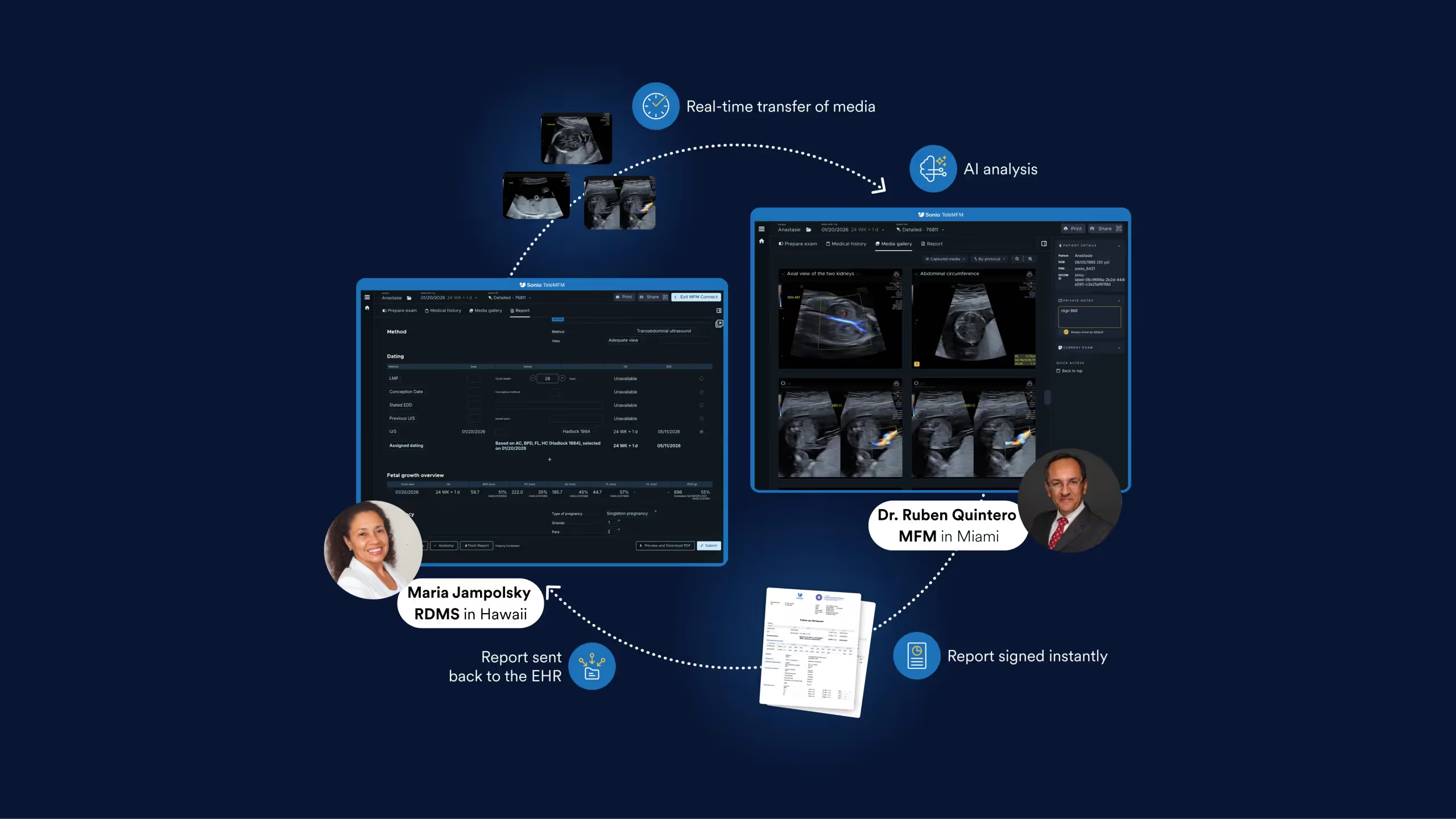
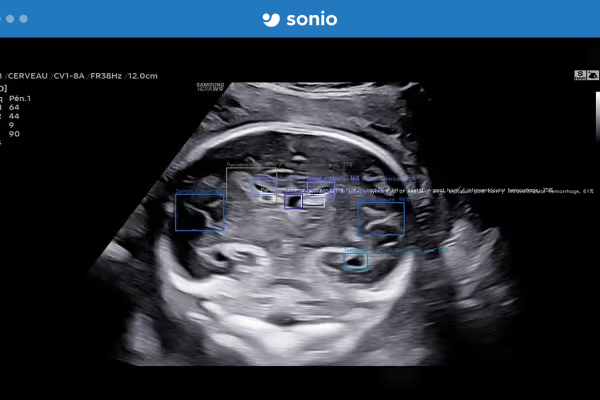
Most fetal ultrasound teams share the same goal: consistent, high‑quality exams that support early detection and confident, safe care. Yet in day‑to‑day practice, it’s hard to keep quality perfectly consistent across different sonographers, sites, shifts, and varying case complexity, especially when clinical leads can’t be in every room to provide real‑time guidance or coaching. This is where Quality Assurance (QA) matters: to make high standards repeatable, through clear expectations and targeted support. And importantly, QA also supports anomaly detection: by reducing variability in exam completeness, image quality, and interpretation workflows, it helps practices maximize their ability to detect abnormalities when they are present.

.png)